
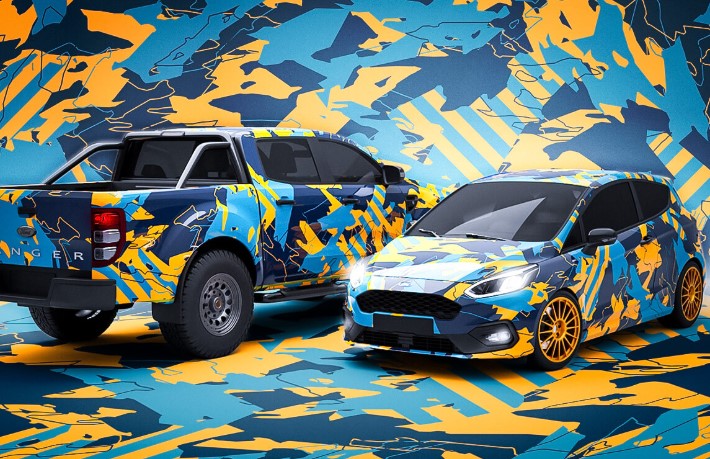

Introduction
In today’s fast-paced world, personalization and branding have become essential for both individuals and businesses. One of the most innovative and cost-effective ways to transform the appearance of a vehicle is through vehicle wraps. Whether you want to promote your business, protect your car’s original paint, or simply give your ride a fresh and unique look, vehicle wraps offer a versatile solution.
Unlike traditional paint jobs, wraps provide flexibility, affordability, and the ability to experiment with bold designs without permanent commitment. From sleek matte finishes to eye-catching graphics, vehicle wraps have revolutionized how people think about vehicle customization.
This comprehensive guide explores everything you need to know about vehicle wraps, including their types, benefits, installation process, costs, and maintenance tips. By the end, you’ll have a clear understanding of why vehicle wraps are becoming increasingly popular across the globe.
What Are Vehicle Wraps?
Vehicle wraps are large vinyl graphics or decals applied directly over a vehicle’s paint. These wraps can cover the entire vehicle or specific parts such as the hood, roof, or doors. The material used is typically high-quality vinyl that adheres smoothly to the surface without damaging the original paint.
The main purpose of vehicle wraps is to enhance appearance or advertise a brand. Businesses often use them as mobile billboards, while individuals use them for aesthetic upgrades. The flexibility and removability of vehicle wraps make them a preferred choice over traditional repainting.
Types of Vehicle Wraps
There are several types of vehicle wraps available, each designed for specific purposes and preferences.
1. Full Wraps
Full wraps cover the entire vehicle, offering a complete transformation. This type is ideal for businesses looking for maximum advertising exposure or individuals seeking a dramatic makeover.
2. Partial Wraps
Partial vehicle wraps cover only certain sections of the vehicle. These are more cost-effective and still provide a strong visual impact.
3. Color Change Wraps
Color change wraps allow you to alter your vehicle’s color without repainting. They are popular among car enthusiasts who want to experiment with different shades and finishes.
4. Custom Graphic Wraps
These wraps feature unique designs, logos, or artwork. Businesses often use custom vehicle wraps to display branding elements like company names and contact details.
5. Textured Wraps
Textured vehicle wraps mimic materials such as carbon fiber, brushed metal, or leather. They add a premium and sophisticated look to vehicles.
Benefits of Vehicle Wraps
Vehicle wraps offer numerous advantages that make them an attractive option for both personal and commercial use.
1. Cost-Effective Advertising
For businesses, vehicle wraps serve as mobile advertisements that reach a wide audience daily. Unlike billboards, they require a one-time investment and continue to generate impressions.
2. Paint Protection
One of the biggest advantages of vehicle wraps is that they protect the original paint from scratches, UV rays, and environmental damage.
3. Customization Flexibility
Vehicle wraps provide endless design possibilities. You can choose colors, patterns, and finishes that suit your style or brand identity.
4. Easy Removal
Unlike paint, vehicle wraps can be removed without causing damage. This makes them ideal for temporary promotions or leased vehicles.
5. Quick Installation
Compared to repainting, installing vehicle wraps is faster and less labor-intensive.
Vehicle Wraps vs Paint: A Comparison
| Feature | Vehicle Wraps | Traditional Paint |
|---|---|---|
| Cost | Moderate | High |
| Installation Time | 2–5 days | 1–3 weeks |
| Customization | Highly flexible | Limited |
| Durability | 5–7 years | 10+ years |
| Removability | Yes | No |
| Paint Protection | Yes | No |
How Vehicle Wraps Are Installed
The installation of vehicle wraps is a precise process that requires skill and expertise.
Step 1: Cleaning the Vehicle
The surface must be thoroughly cleaned to remove dirt, grease, and contaminants.
Step 2: Surface Preparation
Any imperfections such as dents or scratches are fixed to ensure smooth application.
Step 3: Measuring and Cutting
The vinyl is measured and cut according to the vehicle’s dimensions.
Step 4: Application
The wrap is carefully applied using specialized tools to avoid bubbles and wrinkles.
Step 5: Finishing Touches
Edges are trimmed, and heat is applied to secure the vinyl in place.
Cost of Vehicle Wraps
The cost of vehicle wraps varies depending on several factors:
- Size of the vehicle
- Type of wrap (full or partial)
- Complexity of design
- Quality of vinyl material
On average:
- Partial vehicle wraps may cost between ₹20,000 to ₹60,000
- Full vehicle wraps can range from ₹70,000 to ₹2,00,000 or more
While the initial cost might seem significant, the long-term benefits often outweigh the investment.
Maintenance Tips for Vehicle Wraps
Proper care can extend the life of your vehicle wraps and keep them looking fresh.
1. Regular Cleaning
Wash your vehicle regularly using mild soap and water.
2. Avoid Harsh Chemicals
Strong cleaning agents can damage the vinyl surface.
3. Park in Shade
Prolonged exposure to sunlight can fade the wrap over time.
4. Hand Wash Only
Avoid automatic car washes that use abrasive brushes.
5. Inspect for Damage
Regularly check for peeling or lifting edges and fix them promptly.
Common Mistakes to Avoid
When investing in vehicle wraps, it’s important to avoid common pitfalls:
- Choosing low-quality vinyl
- Hiring inexperienced installers
- Ignoring maintenance
- Overcomplicating design
- Not considering local regulations for advertising
Are Vehicle Wraps Worth It?
For most people, vehicle wraps are absolutely worth it. They provide a perfect balance between aesthetics, functionality, and affordability. Businesses benefit from increased brand visibility, while individuals enjoy enhanced vehicle appearance and protection.
The ability to change designs or revert to the original look makes vehicle wraps a smart investment.
Future Trends in Vehicle Wraps
The vehicle wrap industry continues to evolve with new technologies and innovations.
- Eco-friendly vinyl materials
- Advanced printing techniques
- Smart wraps with color-changing properties
- Integration with digital advertising
These trends indicate that vehicle wraps will remain a popular choice for years to come.
Frequently Asked Questions (FAQ)
1. How long do vehicle wraps last?
Most vehicle wraps last between 5 to 7 years, depending on maintenance and environmental conditions.
2. Can vehicle wraps damage paint?
No, high-quality vehicle wraps actually protect the original paint when installed and removed correctly.
3. Are vehicle wraps legal?
Yes, vehicle wraps are legal, but advertising wraps may need to follow local regulations.
4. Can I wash a wrapped vehicle?
Yes, but hand washing is recommended to maintain the wrap’s quality.
5. Do vehicle wraps fade over time?
They can fade with prolonged exposure to sunlight, but proper care can minimize this.
6. Can I remove vehicle wraps myself?
While possible, professional removal is recommended to avoid damage.
7. Are vehicle wraps suitable for all vehicles?
Yes, vehicle wraps can be applied to cars, trucks, vans, and even motorcycles.
Conclusion
Vehicle wraps have transformed the way people customize and utilize their vehicles. From enhancing visual appeal to serving as powerful marketing tools, they offer unmatched versatility and value. Whether you are a business owner looking to expand your reach or an individual seeking a unique look, vehicle wraps provide an effective solution.
Their affordability, ease of installation, and ability to protect the original paint make them a practical choice for modern vehicle owners. As technology advances, vehicle wraps are expected to become even more innovative and accessible.
Investing in vehicle wraps is not just about changing how your vehicle looks—it’s about making a statement, protecting your investment, and embracing a creative and dynamic approach to vehicle ownership.
Read More:- Electric Scooter Guide: Benefits, Features, Cost & Future Trends