

Introduction
Aviation has always inspired people who dream of flight, engineering, and innovation. From hobbyists building detailed replicas to enthusiasts designing unique aircraft concepts, the world of aircraft customization continues to grow. The fascination with a custom airplane goes beyond transportation; it represents creativity, personal expression, and advanced engineering. Likewise, the popularity of custom model aircraft has introduced aviation enthusiasts to a rewarding hobby that combines craftsmanship with technical knowledge.
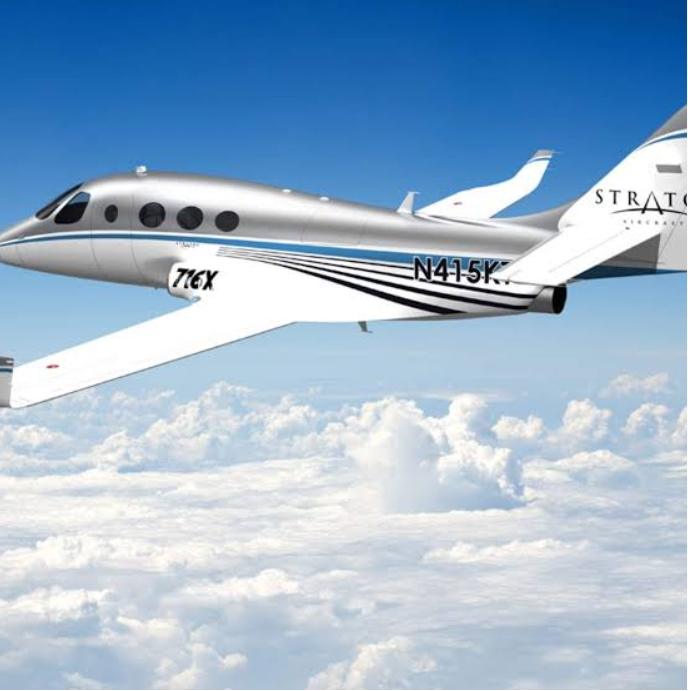
Modern aircraft designs have also influenced builders and collectors worldwide. Among the most admired personal aviation concepts is the cirrus aircraft vision sf50, which has inspired countless discussions about the future of private aviation. Whether someone enjoys constructing miniature replicas or studying advanced aircraft designs, aviation remains a field where imagination and technology meet. This article explores the growing world of aircraft customization, model building, and the innovations that continue to shape aviation culture.
The Growing Appeal of a Custom Airplane
The idea of owning a custom airplane attracts aviation enthusiasts because it offers freedom to create something unique. Unlike standard aircraft designs, customized planes can reflect personal preferences in appearance, functionality, and interior layout. Builders often spend years planning and refining every detail to ensure the aircraft matches their vision.
A customized aircraft may feature unique paint schemes, upgraded seating arrangements, advanced navigation systems, or specialized performance enhancements. Some owners prioritize comfort, while others focus on speed, efficiency, or specialized missions. The flexibility involved in designing a custom airplane allows aviation enthusiasts to transform a standard concept into a highly personalized machine.
The appeal extends beyond appearance. Designing an aircraft requires learning about aerodynamics, materials, safety standards, and engineering principles. Many aviation enthusiasts enjoy the challenge because it combines creativity with technical expertise. The process often becomes a rewarding journey that deepens appreciation for aviation technology.
As technology advances, aircraft customization opportunities continue to expand. Modern materials, digital design tools, and innovative manufacturing techniques have made it easier than ever for enthusiasts to explore personalized aviation projects.
Understanding the Art of Custom Model Aircraft
Building a custom model aircraft is one of the most accessible ways to participate in aviation culture. Model aircraft enthusiasts enjoy creating miniature versions of historic, modern, and futuristic airplanes while developing valuable skills in design and construction.
A custom model aircraft can be created from various materials, including wood, plastic, foam, and composite materials. Builders often begin with a basic kit before adding personalized features such as custom paint, unique markings, and detailed cockpit interiors. Some enthusiasts even design their models entirely from scratch.
The hobby offers several benefits:
- Encourages creativity and problem-solving skills.
- Improves attention to detail and precision.
- Provides insight into aircraft structure and aerodynamics.
- Creates opportunities to join aviation clubs and communities.
For many hobbyists, constructing a custom model aircraft becomes more than a pastime. It serves as a way to explore aviation history, understand engineering concepts, and express artistic talent. Each completed model represents countless hours of research, planning, and craftsmanship.
The increasing availability of digital design software and 3D printing technology has further expanded possibilities. Enthusiasts can now create highly accurate components and experiment with innovative aircraft concepts that were once difficult to build.
How Modern Aviation Inspires Custom Designs
Contemporary aircraft designs play a significant role in shaping customization trends. Aviation enthusiasts often study advanced aircraft to understand how engineers balance performance, efficiency, and comfort.
One aircraft frequently admired by enthusiasts is the cirrus aircraft vision sf50. Its distinctive appearance and modern design philosophy have influenced many aviation projects and model-building efforts. The aircraft demonstrates how innovative engineering can redefine expectations within personal aviation.
When enthusiasts examine the cirrus aircraft vision sf50, they often focus on several key characteristics:
| Feature | Influence on Aviation Enthusiasts |
|---|---|
| Modern Design | Encourages futuristic aircraft concepts |
| Efficient Performance | Inspires practical customization ideas |
| Advanced Technology | Demonstrates integration of digital systems |
| Comfortable Cabin | Highlights passenger-focused design |
| Innovative Engineering | Motivates creative aircraft projects |
The popularity of the cirrus aircraft vision sf50 among aviation communities reflects growing interest in combining modern technology with personal aviation experiences. Many builders incorporate design elements inspired by contemporary aircraft when developing their own projects.
As aviation technology continues to evolve, enthusiasts gain access to new ideas that influence both full-scale aircraft customization and model-building activities.
Designing a Custom Airplane for Personal Expression
Creating a custom airplane often begins with a clear vision. Builders carefully consider the aircraft’s intended purpose, performance goals, and visual identity before starting the design process.
Some projects emphasize aesthetic uniqueness through custom color schemes and exterior graphics. Others prioritize functionality, incorporating specialized equipment or upgraded avionics. Regardless of the approach, every custom airplane reflects the personality and interests of its creator.
The design process typically involves multiple stages, including concept development, technical planning, component selection, and final assembly. Throughout each phase, builders must balance creativity with safety and performance considerations.
Many aviation enthusiasts appreciate the educational value of customization. Designing an aircraft requires understanding structural integrity, propulsion systems, weight distribution, and aerodynamic efficiency. This combination of artistic freedom and technical responsibility makes aircraft customization particularly rewarding.
Advancements in computer-aided design software have made the process more accessible. Builders can now visualize concepts digitally, evaluate performance characteristics, and refine designs before construction begins. These tools have transformed the way enthusiasts approach aircraft customization.
The Future of Custom Model Aircraft Technology
The world of custom model aircraft continues to evolve as new technologies become available. Modern builders have access to tools and materials that dramatically expand creative possibilities.
Three-dimensional printing has revolutionized model construction by allowing enthusiasts to create highly detailed components with remarkable accuracy. Builders can design parts digitally and produce them with precision that was once difficult to achieve through traditional methods.
Remote-control technology has also enhanced the experience of owning a custom model aircraft. Advanced control systems provide greater stability, improved maneuverability, and realistic flight characteristics. These innovations allow hobbyists to experience aviation concepts in a practical and engaging way.
The growing popularity of educational aviation programs has introduced younger generations to model aircraft construction. Schools, clubs, and community organizations increasingly recognize the hobby as an effective way to teach science, technology, engineering, and mathematics principles.
As interest in aviation grows, the demand for personalized aircraft models is expected to increase. Enthusiasts continue to explore new materials, innovative designs, and creative customization techniques that push the boundaries of traditional model building.
Lessons from the Cirrus Aircraft Vision SF50
The cirrus aircraft vision sf50 represents a modern approach to personal aviation that emphasizes innovation, efficiency, and user-friendly operation. Its design philosophy has influenced how many aviation enthusiasts think about aircraft development.
One of the most notable aspects of the cirrus aircraft vision sf50 is its focus on accessibility. Modern aircraft increasingly aim to simplify complex systems while maintaining high performance standards. This approach has inspired both full-scale builders and model aircraft creators.
Aviation enthusiasts often analyze the cirrus aircraft vision sf50 to understand how contemporary engineering solutions improve safety, comfort, and efficiency. These insights frequently influence custom projects, leading to more practical and sophisticated designs.
The aircraft also demonstrates the importance of integrating technology into aviation. Digital interfaces, advanced systems, and innovative engineering solutions continue to shape the future of aircraft development. Builders who study these advancements gain valuable knowledge that can enhance their own customization efforts.
As new aviation technologies emerge, aircraft inspired by similar design philosophies will likely continue influencing enthusiasts and industry professionals alike.
Why Aviation Customization Continues to Grow
Interest in aircraft customization remains strong because it combines multiple passions into a single activity. Enthusiasts can explore engineering, design, history, technology, and craftsmanship while creating something unique.
The popularity of the custom airplane concept reflects a desire for personalization and innovation. Builders enjoy transforming ideas into functional designs that showcase their creativity and technical skills. Similarly, the continued growth of the custom model aircraft hobby demonstrates the enduring appeal of hands-on aviation projects.
Several factors contribute to this trend:
- Greater access to advanced design software.
- Improved manufacturing technologies.
- Growing online aviation communities.
- Increased educational opportunities in engineering fields.
- Rising interest in personalized projects.
These developments have made aircraft customization more accessible than ever before, encouraging enthusiasts from diverse backgrounds to participate.
Conclusion
The world of aviation customization offers endless opportunities for creativity, learning, and innovation. Whether designing a custom airplane, building a detailed custom model aircraft, or studying advanced concepts inspired by the cirrus aircraft vision sf50, enthusiasts can explore aviation in meaningful and rewarding ways. The combination of craftsmanship, engineering, and imagination continues to attract people who are passionate about flight. As technology advances and new ideas emerge, aviation customization will remain an exciting field where personal vision and technical achievement come together to create extraordinary results.