
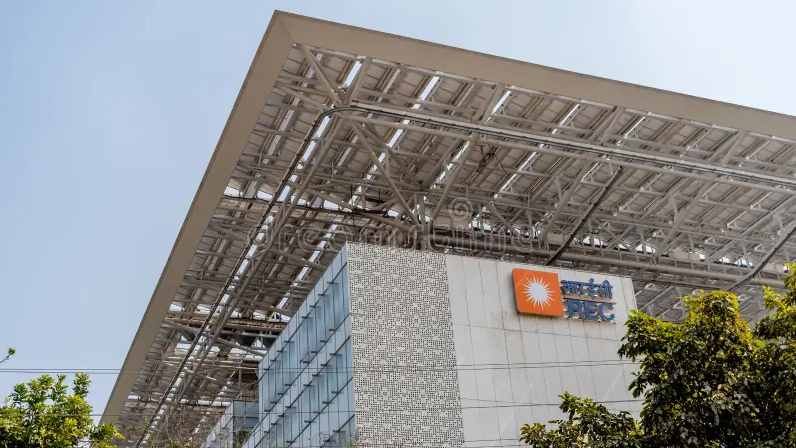

Introduction
India’s remarkable economic growth over the past few decades has been closely tied to the expansion of its energy infrastructure. Access to reliable electricity is no longer considered a luxury but a fundamental requirement for development, industrialization, education, healthcare, and improved living standards. At the center of this transformation stands the rural electrification corporation, a key institution that has played a significant role in financing and supporting power sector projects across the country.
From funding transmission networks and generation projects to supporting renewable energy initiatives, this organization has evolved into one of India’s most influential infrastructure financing entities. Its contribution extends far beyond villages and rural communities, impacting the nation’s broader energy ecosystem.
In this article, we will explore the history, objectives, functions, achievements, challenges, and future prospects of this important institution while examining its contribution to India’s energy landscape.
Understanding the Role of Rural Electrification in India
Electricity serves as the backbone of modern civilization. Without adequate power infrastructure, economic growth slows, industries struggle, and communities face limitations in accessing essential services.
For decades after independence, many Indian villages lacked access to reliable electricity. The government recognized that rural development and electrification were interconnected. As a result, various programs and institutions were established to bridge the gap between urban and rural energy access.
The rural electrification corporation emerged as a dedicated financial institution designed to accelerate this mission by providing funding and support to power-related projects throughout the country.
Its primary objective was to ensure that financial constraints did not hinder the expansion of electricity infrastructure in underserved regions.
Historical Background and Establishment
The organization was established in 1969 under the Government of India. Initially, its primary mission was to finance rural electrification projects and support state electricity boards in extending power distribution networks.
During its early years, the focus remained largely on village electrification and improving electricity access for agricultural activities. As India’s economy expanded, the institution broadened its scope to include various segments of the power sector.
Over time, it transformed from a specialized rural financing entity into a comprehensive infrastructure financing company with a diversified portfolio covering power generation, transmission, distribution, and renewable energy projects.
Its evolution mirrors India’s changing energy needs and development priorities.
Key Objectives and Mission
The organization’s mission revolves around supporting sustainable infrastructure development and ensuring equitable access to electricity.
Its major objectives include:
- Financing power infrastructure projects.
- Supporting rural and urban electrification.
- Encouraging renewable energy adoption.
- Strengthening transmission and distribution networks.
- Enhancing energy security.
- Promoting sustainable economic growth.
While these objectives have expanded over time, the commitment to improving electricity accessibility remains central to the institution’s identity.
How the Institution Operates
The rural electrification corporation primarily functions as a financing and lending institution. It provides loans and financial assistance to public sector entities, state utilities, private companies, and infrastructure developers involved in power-related projects.
Its funding mechanisms include:
Project Financing
Large-scale power generation plants require substantial investment. The organization offers long-term financing to support these projects.
Transmission Infrastructure Support
Electricity generation alone is insufficient without effective transmission systems. Funding is provided for transmission corridors, substations, and grid modernization initiatives.
Distribution Network Development
Distribution infrastructure ensures electricity reaches end consumers. Financial assistance supports network expansion, upgrades, and loss reduction measures.
Renewable Energy Financing
The institution actively finances solar, wind, hydro, and other renewable energy projects that contribute to India’s clean energy transition.
Through these activities, the organization plays a critical role in maintaining the country’s energy ecosystem.
Major Areas of Investment
The modern energy sector consists of multiple interconnected components. The rural electrification corporation invests across various segments to create a balanced and resilient power infrastructure.
Power Generation
Funding supports thermal, hydroelectric, solar, wind, and hybrid energy projects. These investments help increase generation capacity and meet rising electricity demand.
Transmission Projects
Transmission systems connect generation facilities with consumers. Investments in transmission infrastructure improve reliability and reduce energy losses.
Distribution Reforms
Distribution companies often face operational challenges. Financing supports modernization efforts aimed at improving efficiency and customer service.
Renewable Energy Expansion
India’s renewable energy ambitions require substantial capital investment. The institution finances projects that contribute to sustainability and environmental goals.
Contribution to Rural Development
One of the most significant achievements of the rural electrification corporation has been its contribution to rural transformation.
Electricity access has improved countless aspects of rural life, including:
- Agricultural productivity.
- Education opportunities.
- Healthcare services.
- Small business development.
- Digital connectivity.
- Employment generation.
Electrification has enabled rural communities to participate more actively in the broader economy while improving overall quality of life.
Access to electricity also reduces dependence on traditional energy sources, contributing to better health outcomes and environmental sustainability.
Impact on India’s Power Sector
The institution’s influence extends far beyond rural electrification.
Its financing activities have supported:
- Large-scale generation capacity expansion.
- Grid modernization initiatives.
- Renewable energy growth.
- Infrastructure development.
- Energy access programs.
As a result, India has witnessed significant improvements in power availability, reliability, and accessibility over the years.
The country’s increasing electrification rates and expanding energy infrastructure reflect the cumulative impact of sustained investment and policy support.
Financial Performance and Growth
The organization has evolved into one of India’s largest infrastructure financing companies.
Several factors have contributed to its growth:
Strong Government Support
Government backing has enhanced investor confidence and facilitated large-scale lending activities.
Diversified Loan Portfolio
The institution finances projects across multiple energy segments, reducing concentration risk.
Infrastructure Demand
India’s growing economy continues to create demand for power infrastructure investments.
Focus on Emerging Technologies
Investments in renewable energy and modern grid solutions position the institution for future growth.
Key Milestones and Achievements
The rural electrification corporation has achieved numerous milestones throughout its history.
These include:
- Supporting nationwide electrification efforts.
- Financing major transmission projects.
- Promoting renewable energy development.
- Expanding lending operations significantly.
- Contributing to infrastructure modernization.
- Supporting government energy initiatives.
Each milestone reflects the institution’s evolving role within India’s power sector.
Overview Table: Core Functions and Contributions
| Area | Contribution |
|---|---|
| Rural Electrification | Financing village electrification projects |
| Power Generation | Supporting capacity expansion |
| Transmission | Funding grid infrastructure |
| Distribution | Strengthening delivery networks |
| Renewable Energy | Financing solar and wind projects |
| Infrastructure Development | Supporting national growth initiatives |
| Economic Development | Enhancing productivity and employment |
This table highlights the diverse functions performed by the institution and its broad impact on India’s development.
Role in Renewable Energy Development
India has set ambitious renewable energy targets aimed at reducing carbon emissions and strengthening energy security.
The rural electrification corporation plays a vital role in achieving these goals by financing:
- Solar parks.
- Wind farms.
- Hydroelectric projects.
- Green transmission corridors.
- Energy storage infrastructure.
These investments support the transition toward cleaner and more sustainable energy systems.
Renewable energy financing also creates opportunities for technological innovation and economic growth.
Challenges Facing the Organization
Despite its achievements, the institution faces several challenges.
Financial Stress in Distribution Companies
Many power distribution companies struggle with operational inefficiencies and financial losses, impacting repayment capacity.
Rapid Technological Change
Emerging technologies require continuous adaptation and investment.
Environmental Concerns
Balancing economic development with sustainability remains a complex challenge.
Infrastructure Funding Needs
The scale of India’s infrastructure requirements demands significant financial resources.
Addressing these challenges will be essential for maintaining long-term growth and effectiveness.
Digital Transformation and Innovation
Digital technologies are reshaping the energy sector.
The organization increasingly supports projects involving:
- Smart grids.
- Digital monitoring systems.
- Advanced metering infrastructure.
- Data analytics.
- Energy management solutions.
Technology-driven approaches improve operational efficiency, enhance reliability, and support informed decision-making.
Digital transformation also helps utilities better manage resources and serve consumers more effectively.
Future Outlook and Opportunities
The future appears promising for the rural electrification corporation as India continues its infrastructure expansion journey.
Several trends are expected to drive growth:
Rising Electricity Demand
Economic development and urbanization will increase energy consumption.
Renewable Energy Investments
The clean energy transition presents significant financing opportunities.
Grid Modernization
Advanced transmission and distribution systems will require substantial capital investment.
Electric Mobility
The growth of electric vehicles will create new infrastructure requirements.
Energy Storage Solutions
Battery storage and related technologies are expected to become increasingly important.
By aligning its strategies with these trends, the institution can continue contributing to national development.
Why This Institution Matters to India’s Economy
Reliable electricity is essential for virtually every sector of the economy.
Manufacturing, agriculture, healthcare, education, transportation, and digital services all depend on dependable energy infrastructure.
The rural electrification corporation serves as a critical enabler by ensuring that financing is available for projects that support economic growth and social development.
Its investments help create jobs, improve productivity, attract investment, and strengthen national competitiveness.
As India’s economy continues to expand, the importance of infrastructure financing institutions will only increase.
Key Takeaways
The organization has evolved from a rural electrification-focused institution into one of India’s leading infrastructure financiers.
Key points include:
- It was established to support electricity access and rural development.
- It finances generation, transmission, distribution, and renewable energy projects.
- It plays a significant role in India’s energy transition.
- Its investments contribute to economic growth and infrastructure development.
- Future opportunities include renewable energy, digital transformation, and grid modernization.
- Continued innovation and strategic investment will shape its long-term success.
Frequently Asked Questions
1. What is the primary purpose of the rural electrification corporation?
Its primary purpose is to provide financial support for power infrastructure projects, including electrification, transmission, distribution, and renewable energy initiatives.
2. When was the organization established?
The institution was established in 1969 to support rural electrification efforts across India.
3. Does it finance renewable energy projects?
Yes, it actively finances solar, wind, hydroelectric, and other renewable energy projects.
4. How does it contribute to rural development?
By supporting electricity infrastructure, it improves education, healthcare, agriculture, employment opportunities, and overall living standards.
5. Who can receive financing from the institution?
State utilities, public sector organizations, private companies, and infrastructure developers may receive funding for eligible projects.
6. Why is electricity access important for economic growth?
Electricity supports industrial activity, business operations, education, healthcare, communication, and technological advancement.
7. What opportunities lie ahead for the organization?
Future opportunities include renewable energy financing, grid modernization, electric mobility infrastructure, energy storage, and digital transformation initiatives.
Conclusion
India’s journey toward universal electricity access and modern energy infrastructure has been shaped by visionary policies, technological advancements, and strong financial institutions. Among these institutions, the rural electrification corporation has played a transformative role by financing projects that expand energy access, strengthen infrastructure, and support sustainable development.
From its origins as a rural electrification-focused lender to its current position as a major infrastructure financier, the organization has continually adapted to the evolving needs of the nation. Its contributions have touched millions of lives, accelerated economic growth, and strengthened India’s energy security.
As the country embraces renewable energy, smart technologies, and next-generation infrastructure, the institution is well-positioned to remain a driving force in India’s development story. Its continued commitment to innovation, sustainability, and inclusive growth will help power the nation’s future for decades to come.
Read More:-