

Introduction
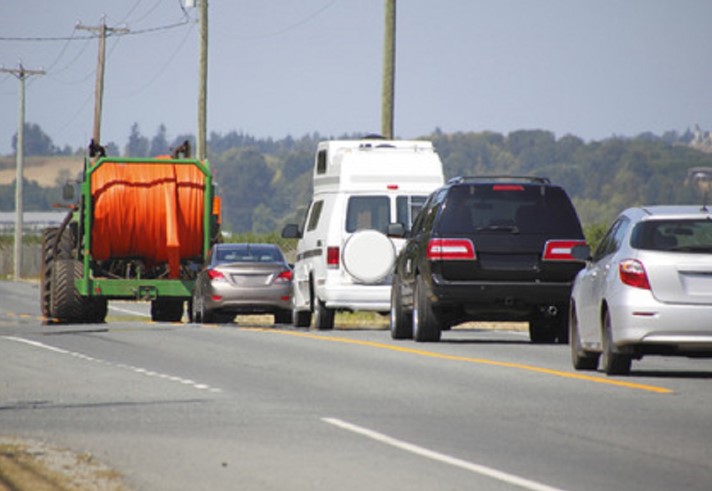
On busy roads filled with fast-moving cars, trucks, and motorcycles, safety depends heavily on clear communication between drivers. One of the most important yet often overlooked tools for this communication is the slow moving vehicle sign. This bright and easily recognizable sign plays a crucial role in preventing accidents by alerting other road users about vehicles traveling at lower speeds.
Whether it is a tractor in a rural area, construction equipment on a highway, or a horse-drawn carriage in certain regions, the slow moving vehicle sign ensures that drivers approaching from behind can react in time. Without this simple triangular marker, the risk of collisions increases significantly, especially in low-visibility conditions.
In this detailed guide, we will explore everything you need to know about the slow moving vehicle sign, including its design, purpose, legal requirements, proper usage, and its importance in maintaining road safety. By the end of this article, you will understand why this sign is not just a recommendation but a necessity for certain vehicles.
What Is a Slow Moving Vehicle Sign?
The slow moving vehicle sign is a highly visible reflective emblem designed to indicate that a vehicle travels at a speed significantly lower than normal traffic. Typically, this sign is used for vehicles that move at speeds of 40 km/h (25 mph) or less.
It is usually shaped like a triangle with a fluorescent orange center and a red reflective border. This combination ensures visibility both during the day and at night.
The primary purpose of the slow moving vehicle sign is to warn approaching drivers so they can reduce speed and overtake safely. Without this warning, drivers may not realize the speed difference until it is too late.
History and Development
The concept of the slow moving vehicle sign was developed in the mid-20th century to address rising concerns about road safety, especially in agricultural regions. As motor vehicles became faster, the interaction between high-speed traffic and slower equipment became increasingly dangerous.
Researchers and safety experts introduced the triangular design after studying visibility patterns. The bright orange color was chosen for daytime visibility, while the reflective red border ensured nighttime recognition.
Over time, the slow moving vehicle sign became standardized in many countries, making it universally recognizable and effective.
Design and Features
The slow moving vehicle sign is carefully designed to maximize visibility and clarity. Its unique structure includes:
1. Triangular Shape
The triangular shape instantly distinguishes it from other road signs.
2. Fluorescent Orange Center
This bright color is highly visible during daylight hours.
3. Reflective Red Border
The reflective border enhances visibility at night when headlights shine on it.
4. Durable Material
Most signs are made from weather-resistant materials to withstand harsh conditions.
5. Standard Size
The size is regulated to ensure consistency and visibility from a distance.
Where Is It Used?
The slow moving vehicle sign is commonly used on a variety of vehicles and equipment, including:
- Agricultural tractors
- Farm machinery
- Road construction vehicles
- Animal-drawn carts
- Maintenance equipment
- Industrial vehicles operating on public roads
In rural and semi-urban areas, the presence of the slow moving vehicle sign is particularly important because of frequent interactions between slow and fast traffic.
Legal Requirements and Regulations
In many countries, the use of a slow moving vehicle sign is mandatory for vehicles that cannot exceed a certain speed. These laws are designed to protect both the operator of the slow-moving vehicle and other road users.
Key Legal Guidelines:
- Vehicles traveling below a specified speed must display the sign.
- The sign must be mounted at the rear of the vehicle.
- It should be clearly visible and not obstructed.
- Damaged or faded signs must be replaced immediately.
Failure to use a proper slow moving vehicle sign can result in fines and penalties, depending on local laws.
Importance of the Slow Moving Vehicle Sign
The slow moving vehicle sign plays a vital role in road safety. Here are some of its key benefits:
1. Prevents Rear-End Collisions
Drivers approaching from behind can quickly identify slow-moving vehicles.
2. Improves Reaction Time
The sign provides early warning, allowing drivers to slow down safely.
3. Enhances Visibility
Its reflective properties ensure visibility even in low-light conditions.
4. Reduces Traffic Confusion
Clear identification of slow vehicles helps maintain smooth traffic flow.
5. Saves Lives
By preventing accidents, the slow moving vehicle sign directly contributes to saving lives.
Proper Installation and Placement
Correct installation of the slow moving vehicle sign is essential for its effectiveness.
Placement Guidelines:
- Mount it at the rear center of the vehicle
- Ensure it is at eye level for drivers behind
- Keep it clean and free from dirt or debris
- Avoid placing it at an angle that reduces visibility
Improper placement can make the slow moving vehicle sign less effective, increasing the risk of accidents.
Key Features and Benefits
| Feature | Description | Benefit |
|---|---|---|
| Triangular Shape | Unique and recognizable | Quick identification |
| Fluorescent Orange Center | Bright color for daytime visibility | Easily seen in daylight |
| Reflective Red Border | Reflects headlights at night | Nighttime safety |
| Durable Material | Weather-resistant construction | Long-lasting use |
| Standardized Design | Uniform across regions | Universal understanding |
Common Mistakes to Avoid
While using a slow moving vehicle sign, people often make mistakes that reduce its effectiveness.
Mistakes Include:
- Using a faded or damaged sign
- Incorrect placement on the vehicle
- Covering the sign with cargo or equipment
- Using the sign on vehicles that do not qualify
- Ignoring local regulations
Avoiding these errors ensures the slow moving vehicle sign performs its intended function.
Maintenance Tips
To ensure optimal performance, the slow moving vehicle sign should be regularly maintained.
Maintenance Checklist:
- Clean the surface regularly
- Inspect for cracks or fading
- Replace if visibility is reduced
- Ensure reflective properties are intact
Proper care extends the life and effectiveness of the slow moving vehicle sign.
Safety Tips for Drivers
For Slow Vehicle Operators:
- Always use the slow moving vehicle sign when required
- Stay on the side of the road when possible
- Use additional lights during low visibility
- Avoid busy highways if possible
For Other Drivers:
- Watch for the slow moving vehicle sign ahead
- Reduce speed when approaching
- Maintain safe following distance
- Overtake only when it is safe
Modern Innovations and Improvements
With advancements in technology, the traditional slow moving vehicle sign is being enhanced with modern features.
Innovations Include:
- LED-enhanced reflective signs
- Smart warning systems
- GPS-based alerts for nearby drivers
- Improved materials for durability
Despite these advancements, the basic design of the slow moving vehicle sign remains unchanged due to its proven effectiveness.
Frequently Asked Questions (F&Q)
1. What speed qualifies as a slow-moving vehicle?
Typically, vehicles traveling at 40 km/h or less require a slow moving vehicle sign.
2. Is the slow moving vehicle sign mandatory?
Yes, in many regions it is legally required for certain vehicles.
3. Can I use the sign on a regular car?
No, the slow moving vehicle sign should only be used on vehicles that meet the criteria.
4. Where should the sign be placed?
It must be mounted on the rear of the vehicle in a visible position.
5. How often should it be replaced?
Replace the slow moving vehicle sign when it becomes faded, damaged, or less reflective.
Conclusion
The slow moving vehicle sign is a simple yet powerful tool that significantly enhances road safety. Its bright colors, reflective design, and universal recognition make it an essential requirement for vehicles operating at lower speeds.
From preventing accidents to improving traffic flow, the importance of the slow moving vehicle sign cannot be overstated. Whether you are a farmer operating a tractor, a construction worker using heavy equipment, or simply a driver sharing the road, understanding and respecting this sign is crucial.
By using the slow moving vehicle sign correctly and maintaining it properly, we can create safer roads for everyone. It is not just a symbol—it is a life-saving warning that bridges the gap between slow and fast-moving traffic.
Read More:- Vehicle Wraps: The Ultimate Guide to Transforming Your Vehicle