

Introduction
In recent years, the world has witnessed rapid advancements in aviation technology, and one of the most transformative innovations is the unmanned aerial vehicle. Commonly known as drones, these systems have moved far beyond their initial military applications and are now widely used across industries such as agriculture, logistics, filmmaking, and surveillance. The evolution of this technology has not only improved efficiency but also introduced new possibilities that were once unimaginable.
An unmanned aerial vehicle operates without a human pilot onboard, relying instead on remote control or autonomous programming. This ability to function independently has made it an essential tool for both commercial and recreational purposes. As technology continues to advance, the demand for drones is growing exponentially, making it crucial to understand their structure, functionality, and potential impact on society.
This comprehensive blog will explore everything you need to know about the unmanned aerial vehicle, including its types, components, applications, advantages, challenges, and future prospects.
What is an Unmanned Aerial Vehicle?
An unmanned aerial vehicle is an aircraft that flies without a human pilot on board. It is controlled either remotely by a human operator or autonomously through software and onboard sensors. These vehicles can range from small consumer drones to large military-grade systems capable of long-distance missions.
The primary components of an unmanned aerial vehicle include:
- Airframe
- Propulsion system
- Navigation system
- Communication system
- Payload (camera, sensors, etc.)
The integration of these components allows the drone to perform tasks efficiently and accurately, often in environments that are dangerous or inaccessible for humans.
Types of Unmanned Aerial Vehicles
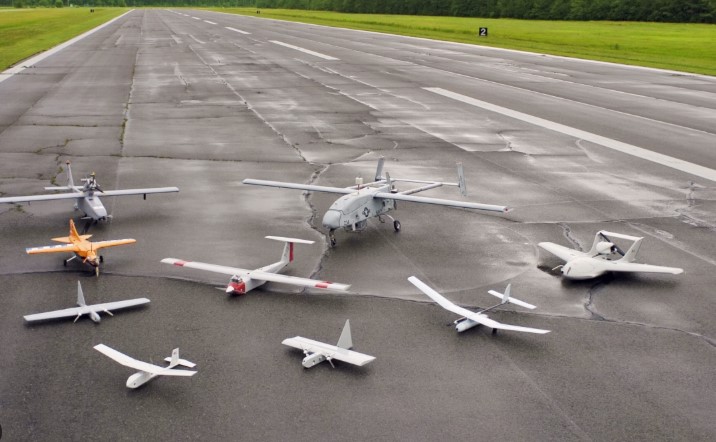
Understanding the different types of unmanned aerial vehicle systems is essential for selecting the right one for specific applications. These can be categorized based on design, size, and functionality.
1. Fixed-Wing Drones
Fixed-wing drones resemble traditional airplanes and are ideal for long-distance travel. They are commonly used in mapping, surveying, and military operations due to their endurance and efficiency.
2. Rotary-Wing Drones
These drones use rotating blades for lift and include quadcopters, hexacopters, and octocopters. They are widely used for photography, surveillance, and inspections.
3. Hybrid Drones
Hybrid drones combine the features of fixed-wing and rotary-wing designs, offering both vertical takeoff and long flight endurance.
4. Nano and Micro Drones
These small-sized drones are used for indoor applications, surveillance, and research purposes.
5. Tactical and Strategic Drones
Used primarily in defense, these drones perform reconnaissance, intelligence gathering, and combat operations.
Key Components of an Unmanned Aerial Vehicle
A well-functioning unmanned aerial vehicle depends on several critical components working together seamlessly.
Airframe
The airframe is the physical structure that holds all components together. It determines the drone’s durability and aerodynamic efficiency.
Flight Controller
This is the brain of the drone, processing data from sensors and controlling movement.
Sensors
Sensors such as GPS, gyroscopes, and accelerometers help maintain stability and navigation.
Communication System
This allows the drone to communicate with the operator or control station.
Power Source
Most drones use rechargeable batteries, while larger systems may use fuel engines.
Applications of Unmanned Aerial Vehicles
The versatility of the unmanned aerial vehicle has led to its adoption across multiple industries.
Agriculture
Farmers use drones for crop monitoring, irrigation management, and pesticide spraying. This improves yield and reduces labor costs.
Aerial Photography and Videography
Drones have revolutionized filmmaking and photography by capturing high-quality aerial shots.
Delivery Services
Companies are exploring drone delivery systems to transport goods quickly and efficiently.
Surveillance and Security
Law enforcement agencies use drones for monitoring large areas and enhancing public safety.
Disaster Management
Drones play a crucial role in search and rescue operations, providing real-time data in emergencies.
Infrastructure Inspection
They are used to inspect bridges, power lines, and buildings, reducing risks to human workers.
Advantages of Unmanned Aerial Vehicles
The growing popularity of the unmanned aerial vehicle can be attributed to its numerous advantages.
- Cost-Effective: Reduces operational costs compared to manned aircraft
- Safety: Eliminates risk to human pilots
- Accessibility: Can reach remote or dangerous areas
- Efficiency: Performs tasks quickly and accurately
- Versatility: Suitable for multiple applications
These benefits make drones an indispensable tool in modern industries.
Challenges and Limitations
Despite their advantages, the unmanned aerial vehicle faces several challenges.
Regulatory Issues
Different countries have strict regulations governing drone usage, which can limit operations.
Privacy Concerns
The use of drones for surveillance raises concerns about data privacy.
Limited Battery Life
Most drones have limited flight time, which restricts their operational range.
Security Risks
Drones can be vulnerable to hacking and misuse.
Weather Dependency
Adverse weather conditions can affect performance and safety.
Comparison of UAV Types
| Type of UAV | Flight Time | Range | Best Use Case |
|---|---|---|---|
| Fixed-Wing | Long | High | Mapping, surveillance |
| Rotary-Wing | Medium | Moderate | Photography, inspection |
| Hybrid | Long | High | Delivery, extended missions |
| Nano/Micro | Short | Low | Indoor use, research |
| Tactical/Strategic | Very Long | Very High | Military operations |
Future Trends in Unmanned Aerial Vehicle Technology
The future of the unmanned aerial vehicle industry looks promising, with continuous advancements shaping its evolution.
Artificial Intelligence Integration
AI is enabling drones to make real-time decisions and perform autonomous operations.
Improved Battery Technology
New battery innovations are expected to extend flight time significantly.
5G Connectivity
Faster communication networks will enhance real-time data transmission and control.
Swarm Technology
Multiple drones working together can perform complex tasks efficiently.
Urban Air Mobility
Drones may soon be used for passenger transport in urban areas.
Legal and Ethical Considerations
As the use of the unmanned aerial vehicle expands, it is important to address legal and ethical issues.
- Compliance with aviation regulations
- Respect for privacy
- Responsible usage
- Avoidance of restricted areas
Governments and organizations are working to create frameworks that ensure safe and ethical drone operations.
How to Choose the Right Unmanned Aerial Vehicle
Selecting the right unmanned aerial vehicle depends on your specific needs.
Consider Purpose
Identify whether you need a drone for photography, agriculture, or industrial use.
Budget
Drones are available at various price points, so choose one that fits your budget.
Features
Look for features such as camera quality, GPS, and flight time.
Ease of Use
Beginners should opt for user-friendly models with automated controls.
Maintenance and Safety Tips
Proper maintenance is essential for the longevity of an unmanned aerial vehicle.
- Regularly check batteries and propellers
- Update firmware
- Store in a safe environment
- Follow safety guidelines during operation
These practices help ensure optimal performance and reduce the risk of accidents.
Frequently Asked Questions (FAQs)
1. What is an unmanned aerial vehicle used for?
An unmanned aerial vehicle is used for various purposes, including photography, agriculture, surveillance, delivery, and disaster management.
2. Are drones and UAVs the same?
Yes, drones are commonly referred to as an unmanned aerial vehicle, although UAV is the more technical term.
3. How long can a UAV fly?
Flight time varies depending on the type, ranging from a few minutes for small drones to several hours for larger systems.
4. Is it legal to fly a UAV?
Yes, but regulations vary by location, and users must follow local laws and guidelines.
5. What industries use UAVs the most?
Industries such as agriculture, construction, defense, and media extensively use the unmanned aerial vehicle.
6. Can UAVs operate autonomously?
Yes, many modern drones can operate autonomously using advanced software and sensors.
Conclusion
The unmanned aerial vehicle has emerged as one of the most impactful technological innovations of the modern era. Its ability to operate without human intervention has revolutionized industries, improved efficiency, and enhanced safety in various applications. From agriculture and logistics to defense and disaster management, drones are transforming the way tasks are performed.
While challenges such as regulatory restrictions, privacy concerns, and technical limitations still exist, ongoing advancements in technology are addressing these issues. The integration of artificial intelligence, improved battery systems, and enhanced connectivity will further expand the capabilities of UAVs.
As we move into the future, the role of the unmanned aerial vehicle will continue to grow, opening new opportunities and redefining possibilities across sectors. Whether you are a professional looking to integrate drones into your work or simply curious about this fascinating technology, understanding UAVs is essential in today’s rapidly evolving world.
Read More:- Electric Vehicle Insurance: A Complete Guide for Modern Drivers